Strategic Integration of Promotional Codes and Form Metrics in Live Multi-Sport Markets
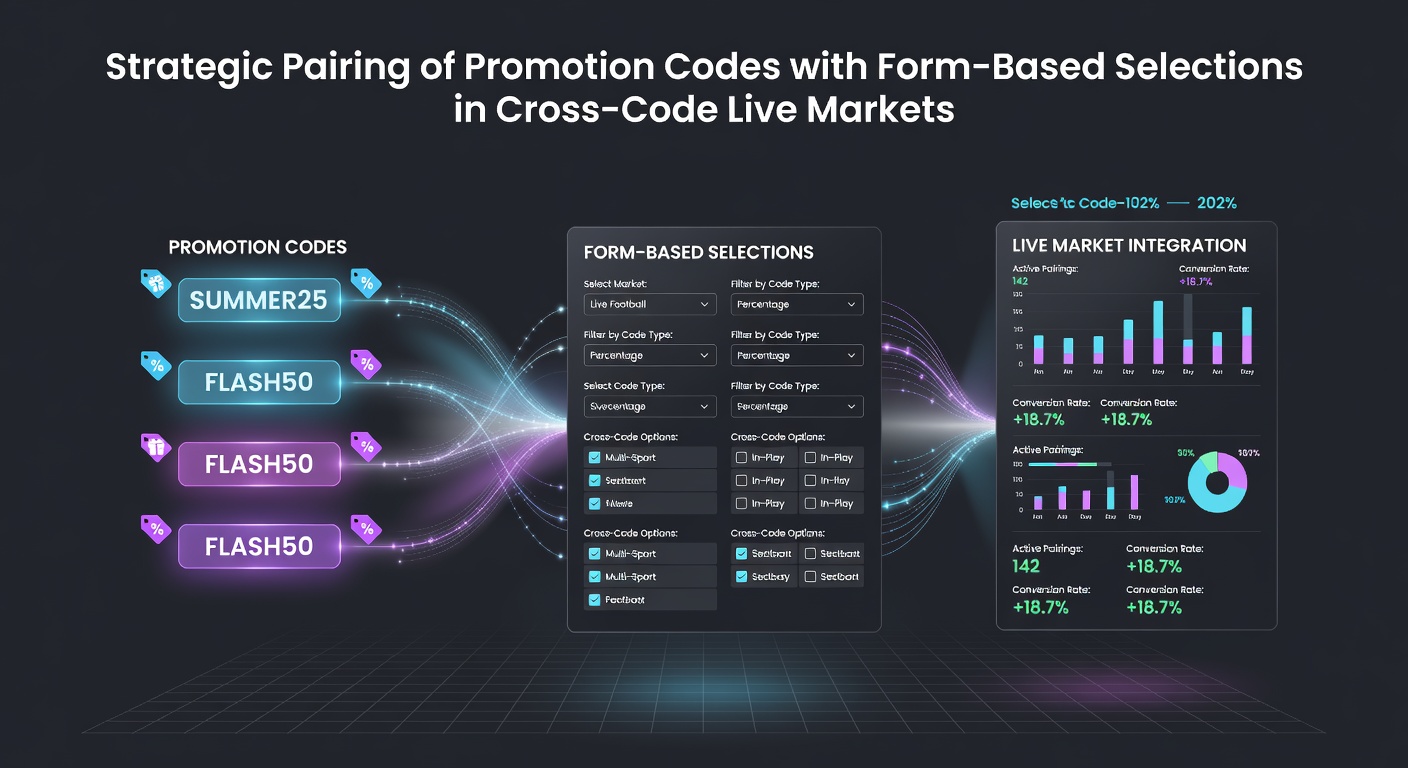
Operators in the betting sector have refined systems that align promotional codes with form-based selections across tennis, soccer, and racing markets, creating structured opportunities in live environments where data updates in real time. These pairings rely on performance indicators such as recent win rates, surface-specific records, and pace figures rather than isolated events, allowing users to apply codes during active sessions in June 2026 when multiple codes overlap with ongoing fixtures.
Core Elements of Form-Based Selections
Form metrics supply the foundation for selections in cross-code markets, where analysts track variables including head-to-head outcomes, injury adjustments, and track conditions that shift between codes. Data from multiple jurisdictions shows these indicators maintain consistency when aggregated across sports, with tennis rally counts, soccer possession trends, and racing sectional times feeding into unified models. Platforms process this information through automated feeds that refresh every few seconds, enabling precise application of promotional codes tied to specific thresholds like minimum odds or market types.
Researchers at institutions focused on quantitative sports analysis have documented how form clusters appear in live settings, particularly when events run concurrently. For instance, a tennis player's break-point conversion rate combined with a soccer team's expected goals differential produces layered selections that codes can enhance through bonus structures or matched stakes. Such integration occurs without requiring manual recalculation because the underlying systems already categorize selections by verified performance bands.
Mechanics of Promotional Code Application
Promotional codes activate when users meet predefined criteria derived from form data, such as selecting outcomes above a certain statistical benchmark in two or more sports simultaneously. In June 2026, several platforms introduced tiered codes that scale rewards according to the number of qualifying legs, drawing from aggregated statistics across live markets. This approach reduces arbitrary usage because eligibility ties directly to measurable form elements rather than blanket offers.
Industry reports from regulatory bodies in Australia and Canada indicate that these paired systems improve transparency, since operators must publish the exact form thresholds required for code redemption. Users therefore review current statistics on player or team consistency before committing selections, which aligns code value with verifiable trends instead of promotional volume alone. The process unfolds through interface prompts that display both the code terms and the relevant form snapshot at the moment of placement.
Cross-Code Live Market Dynamics
Live markets spanning multiple codes introduce additional layers because momentum shifts register across unrelated events at once. Observers tracking June 2026 schedules note that concurrent tennis tiebreaks, soccer half-time adjustments, and racing final-stretch data create windows where form-based filters identify overlapping value. Promotional codes designed for these intervals often specify minimum form scores, ensuring that redemptions occur only when selections reflect sustained patterns rather than single anomalies.
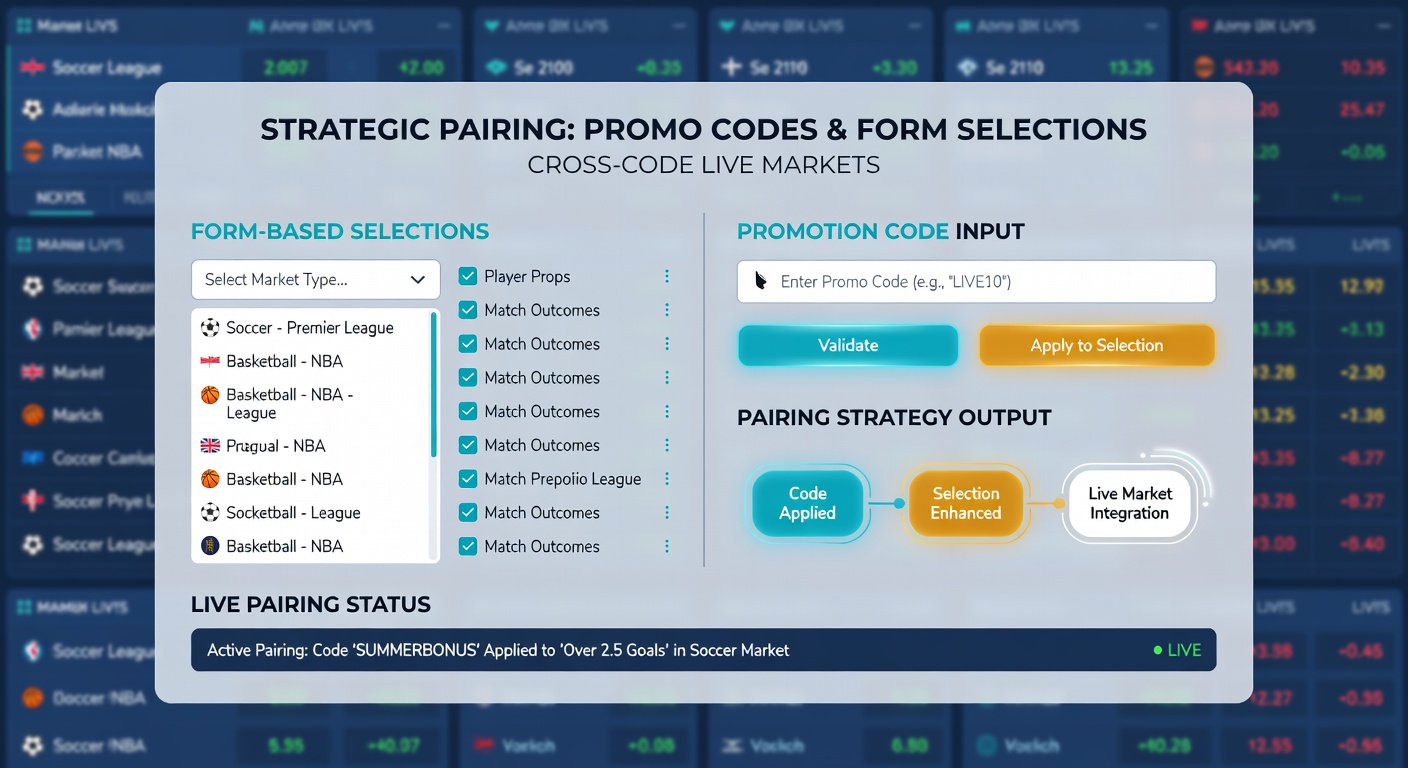
Systems that synchronize these elements use standardized data protocols, allowing a single code to validate against selections drawn from different sports without separate verification steps. According to studies published by European gaming research centers, this synchronization lowers processing delays and maintains consistency in how form thresholds apply across platforms. Operators therefore update code libraries weekly to match evolving fixture lists and statistical baselines.
Implementation Patterns Observed in 2026
Platforms operating in June 2026 have adopted modular code structures that segment by market duration and form strength. Short-term live codes, for example, require selections backed by at least three consecutive positive indicators within a 30-minute window, while longer accumulator codes reference season-long averages. This segmentation appears in user dashboards that list eligible codes alongside teh current form readings for each potential leg.
Trade associations representing online gaming operators have compiled usage data showing that form-paired codes generate higher redemption rates when presented with real-time statistics. The presentation format matters because users receive both the promotional terms and the supporting metrics in one view, reducing the need to cross-reference external sources. In practice, this means a code offering stake enhancements activates automatically once the form criteria register across the chosen tennis, soccer, and racing components.
Conclusion
Strategic pairing of promotional codes with form-based selections continues to shape live cross-code markets through structured alignment of performance data and redemption rules. As platforms refine these mechanisms in June 2026 and beyond, the emphasis remains on measurable indicators that support consistent application across tennis, soccer, and racing environments. Regulatory updates from bodies in Australia and Canada, along with academic analyses of betting patterns, provide ongoing reference points for how these integrations evolve without introducing subjective interpretation.