Long-Haul Journeys and Their Mark on Athlete Outcomes in Worldwide Events Alongside Market Shifts
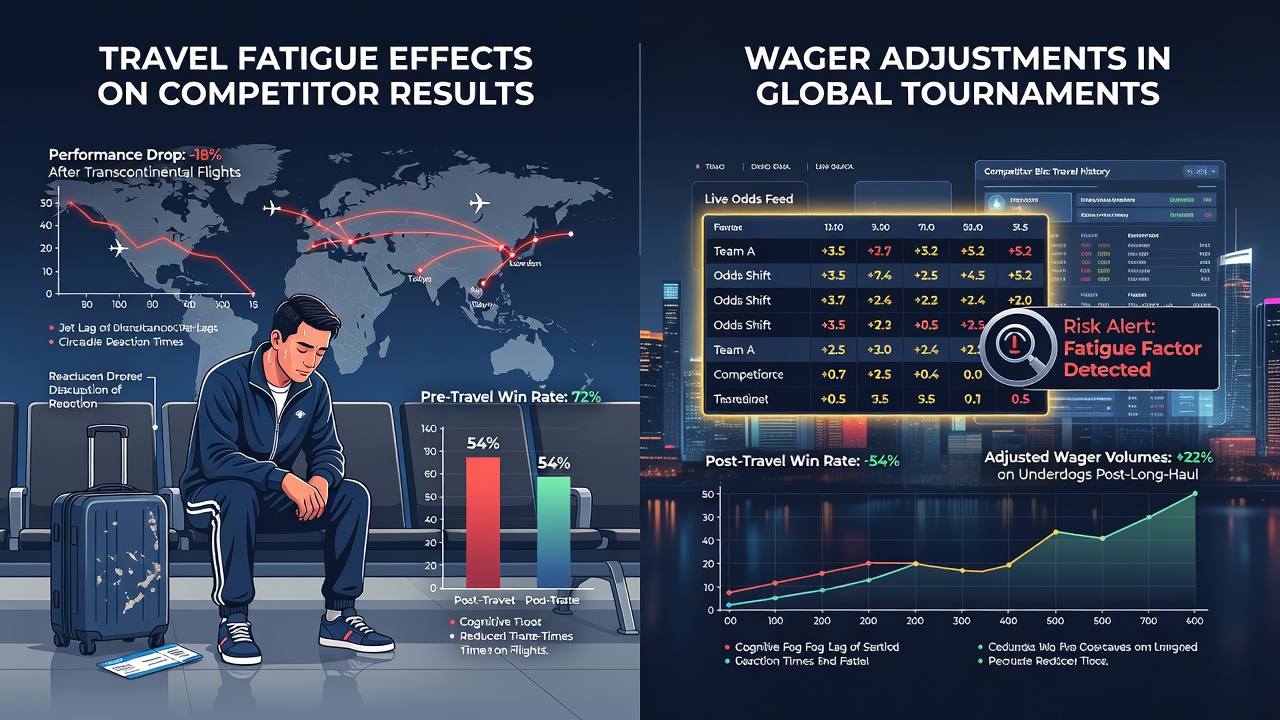
Global tournaments draw competitors from every corner of the world, and those extended flights create measurable changes in physical readiness and mental sharpness. Data from multiple sports science programs show that athletes crossing multiple time zones often experience disruptions in sleep cycles, hydration levels, and reaction times that persist for several days after arrival. In June 2026 several major events, including tennis majors and multi-sport gatherings, will test these patterns once more as schedules pack dense travel requirements into short windows.
Physical and Cognitive Shifts After Extended Travel
Researchers at the Australian Institute of Sport have tracked heart-rate variability and cortisol markers in athletes who flew more than eight hours to competitions, finding consistent drops in endurance metrics during the first 48 hours on site. Muscle recovery slows while perceived exertion rises, which alters how players pace themselves in early rounds. Cognitive tests administered to the same groups reveal slower decision-making under pressure, particularly in sports that demand rapid tactical adjustments such as tennis and soccer. These measurable effects appear across age groups and experience levels, though younger athletes sometimes rebound faster once local sleep patterns stabilize.
Observers note that hydration protocols and light exposure schedules can blunt some of the impact, yet full adaptation rarely occurs before the third day. Tournament calendars rarely allow that luxury, so competitors frequently compete while still adjusting. Performance databases compiled by university sports laboratories show win-rate declines of roughly four to seven percent for athletes arriving within 24 hours of a long-haul flight compared with those who arrive earlier and acclimate.
Documented Patterns in Recent Global Events
Analysis of Grand Slam tennis draws over the past five seasons indicates that players traveling from the opposite hemisphere post lower first-round point-win percentages when matches begin within two days of arrival. Similar trends surface in international soccer qualifiers, where teams crossing the Atlantic or Pacific show elevated concession rates in opening fixtures. Track-and-field athletes exhibit comparable drops in explosive events such as the 100-meter dash and long jump when schedules compress recovery time. These patterns hold after controlling for ranking and recent form, suggesting travel load functions as an independent variable rather than a proxy for other factors.
June 2026 Scheduling Implications
With several high-profile tournaments clustered in mid-June 2026, flight itineraries will again place certain competitors at a disadvantage. Organizers have published preliminary draw timelines that show some athletes facing back-to-back long-haul segments. Performance analysts expect medical and coaching staffs to intensify monitoring of sleep trackers and reaction drills during this period. Betting markets have already begun incorporating arrival-date variables into early odds models for those specific events.
Wager Market Responses to Travel Data
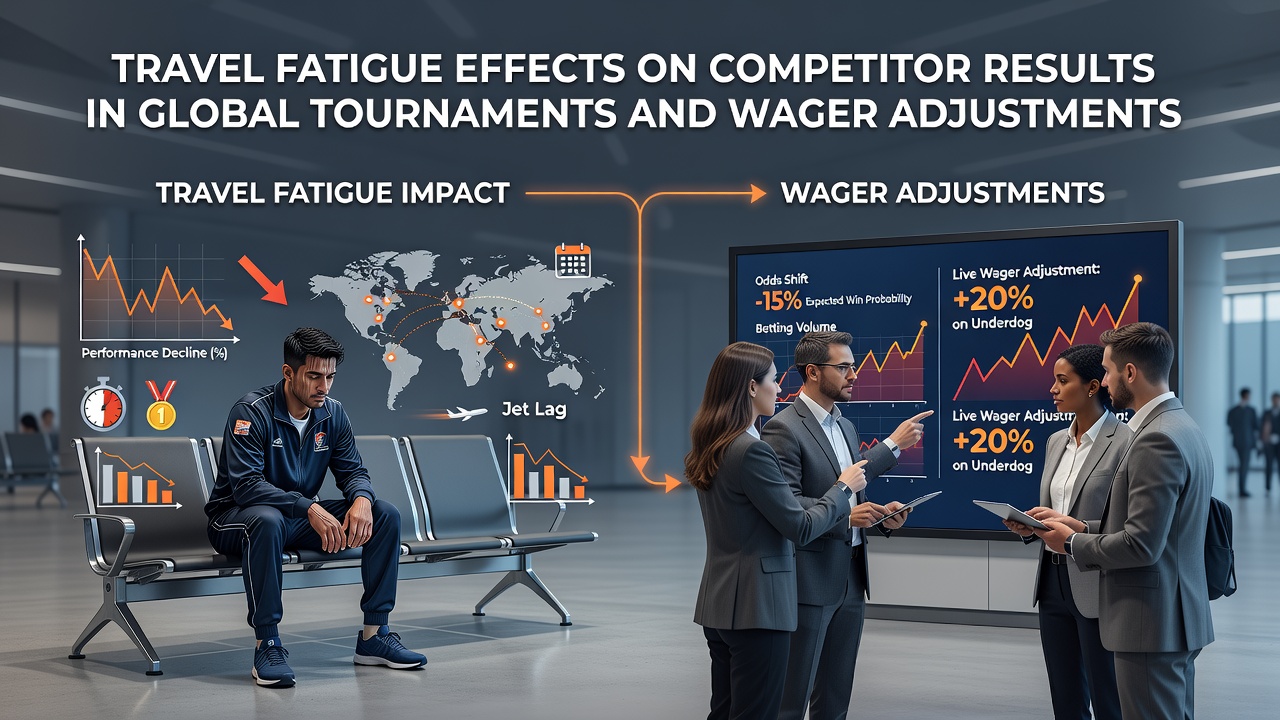
Bookmakers and independent modeling firms now integrate flight-duration metrics and time-zone differentials into pre-tournament projections. Historical datasets reveal that markets initially under-adjust for these variables, creating brief windows where informed bettors can identify value before lines tighten. Research published by the National Institutes of Health on circadian disruption supports the inclusion of these inputs, and several quantitative groups have published white papers showing improved accuracy once travel load enters the algorithms. Odds compilers at major operators adjust totals and spreads accordingly, especially in tennis where individual travel histories are easier to isolate than in team sports.
Industry reports from teh European Gaming and Betting Association indicate that volume on early-round matches rises when travel-fatigue signals appear in preview data. Bettors who track arrival times and training-session reports gain an information edge that persists until public awareness catches up. In soccer, where squad depth masks some effects, the adjustments appear more gradually yet still register in under-over markets for matches scheduled within 72 hours of long-distance arrivals. Horse racing sees fewer direct impacts because equine transport differs, yet jockey travel and stable-staff fatigue occasionally influence late odds movement in international meetings.
Regional Regulatory and Research Context
Canadian Centre for Ethics in Sport guidelines encourage national teams to document travel-recovery strategies, and similar frameworks exist in Australia and parts of the European Union. These protocols generate additional datasets that feed into both performance research and wagering models. Academic partnerships with tournament organizers have produced anonymized arrival logs that strengthen statistical power for future studies. Because regulations differ by jurisdiction, operators in various markets apply travel-fatigue factors at different speeds, creating temporary discrepancies that sophisticated models exploit.
Conclusion
Travel fatigue registers as a quantifiable variable in global tournament results, and markets have responded by folding arrival data into pricing frameworks. As June 2026 approaches, both athletes and those who analyze their performances will continue refining methods to account for the physiological costs of long-haul journeys. The evidence accumulated across multiple sports demonstrates consistent patterns that reward systematic tracking rather than anecdotal observation.