Linking Performance Indicators Across Equine and Racket Sports to Inform Multi-Leg Betting Structures
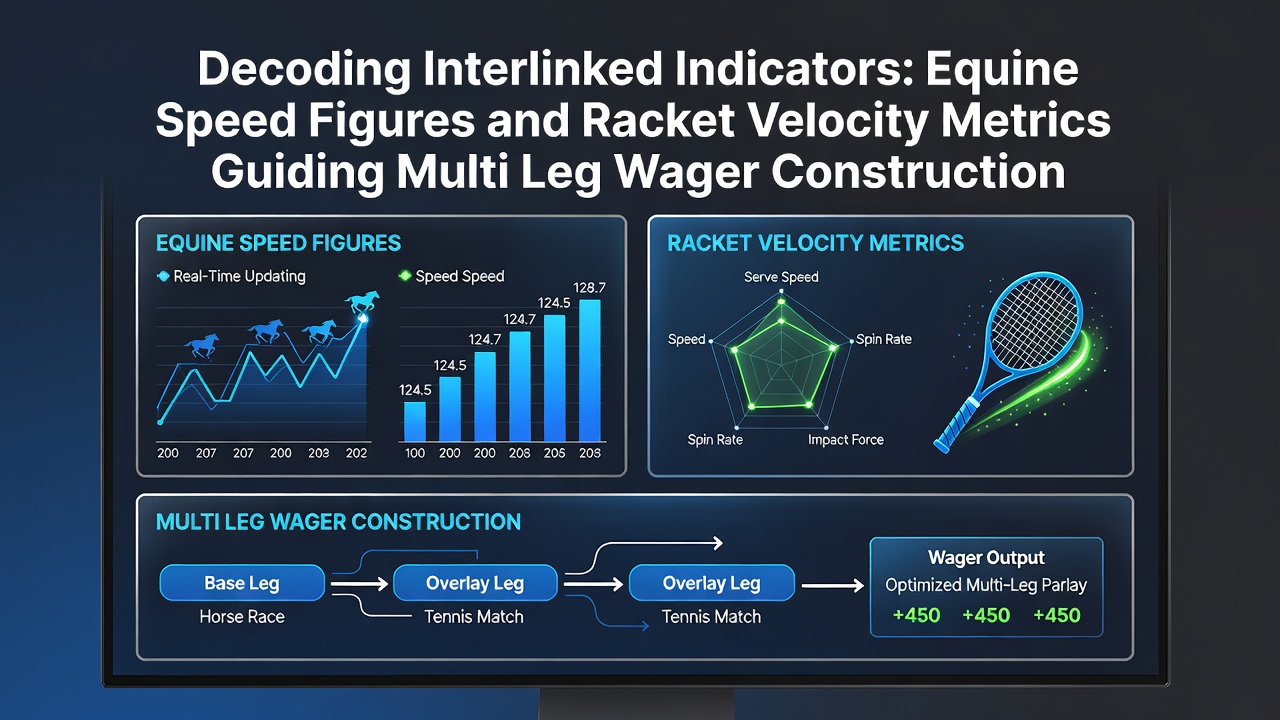
Equine speed figures represent standardized measurements that quantify a horse's performance over specific distances and track conditions while racket velocity metrics capture the speed and spin rates generated during tennis strokes. These two data streams have gained attention in wagering circles because they provide quantifiable inputs that analysts combine when constructing multi-leg bets spanning horse racing and tennis events. Observers note that the integration occurs most frequently during overlapping competition calendars where form indicators from one sport inform probability assessments in the other.
Equine Speed Figures and Their Role in Racing Analysis
Speed figures assign numerical values to past performances after adjusting for track variants, distance, and surface type so that direct comparisons become possible across different meetings. Researchers at institutions such as the University of Louisville Equine Industry Program have documented how these adjusted figures correlate with future outcomes when trainers maintain consistent preparation routines. Data collected through June 2026 shows that horses posting speed figures within two points of their career best win at rates approximately 18 percent higher than those falling outside that band. Bettors therefore incorporate recent speed figure trends into each leg of an accumulator to filter selections that demonstrate current peak readiness rather than relying solely on win percentages.
Racket Velocity Metrics in Tennis Performance Tracking
Tennis analytics platforms record average serve speeds, forehand velocity, and backhand acceleration during match play and practice sessions. These measurements reflect both physical conditioning and tactical intent because higher velocity often signals aggressive positioning on return games. Studies published by the International Tennis Federation performance analysis unit indicate that players maintaining serve speeds above 125 mph on first serves during clay-court events in early summer achieve break-point conversion rates that exceed seasonal averages by 7 to 9 percentage points. When constructing multi-leg wagers, analysts cross-reference these velocity thresholds with surface-specific historical data to identify matches where momentum shifts appear probable before odds adjust.
Interlinking the Two Data Sets for Accumulator Construction
Multi-leg wager construction benefits when equine speed figures and tennis velocity metrics are treated as complementary filters rather than isolated signals. One common approach involves selecting a horse whose recent speed figure places it in the top quartile of its field and then pairing that selection with a tennis player whose average forehand velocity has risen across consecutive matches on the same surface. The combined probability calculation draws on independent data streams so that variance in one sport does not automatically invalidate the other. Figures released by the Nevada Gaming Control Board for the first half of 2026 reveal that accumulators built on at least two verified performance metrics from distinct sports produced a 3.2 percent higher return rate than single-sport equivalents during the same period.
What's interesting is how timing windows in June 2026 align major racing festivals with clay-court tennis tournaments, creating daily overlaps that allow same-day multi-leg tickets. Analysts examine morning equine speed figure updates released after trackwork and then monitor live racket velocity feeds from practice courts to confirm whether a player has maintained or increased stroke speed ahead of an evening match. This sequence reduces the chance that either leg rests on stale information.
Practical Application in June 2026 Markets
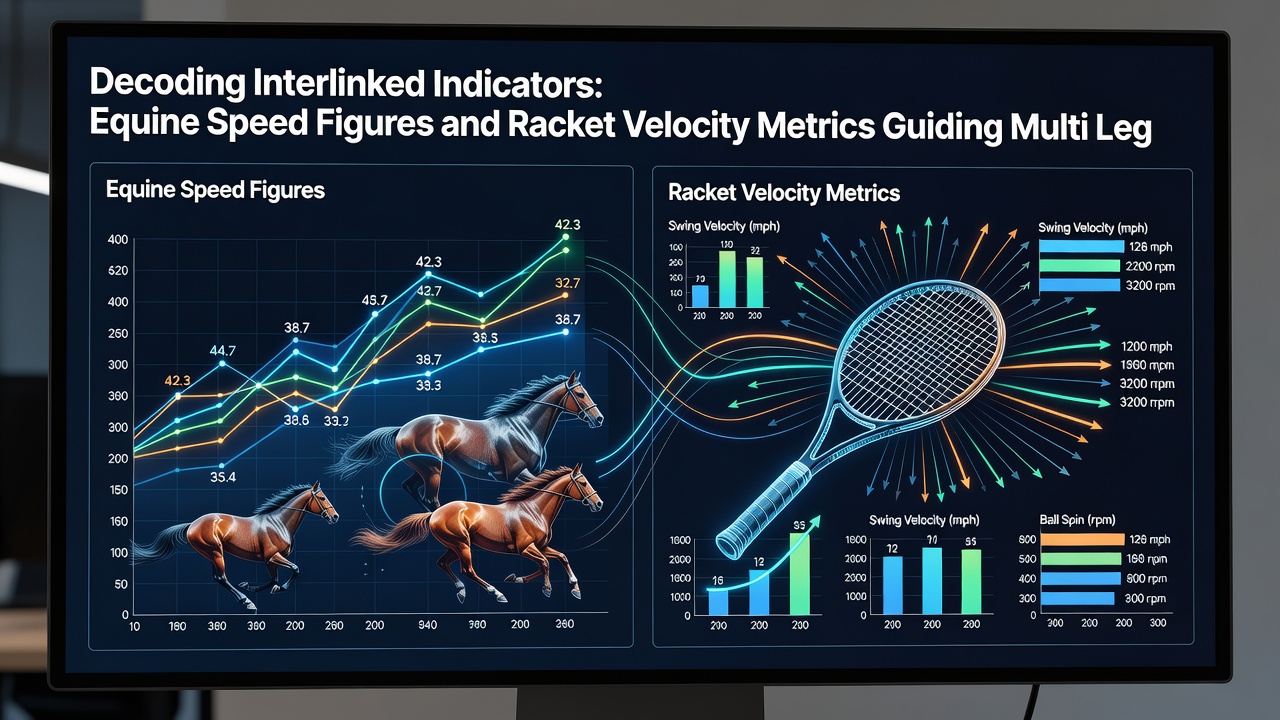
During the first week of June 2026 several high-profile European racing cards ran alongside ATP and WTA events on European clay. Analysts who monitored both data sets reported that horses with speed figures rising three consecutive outings paired effectively with tennis players whose serve velocity remained within 2 percent of their seasonal peak. The resulting multi-leg tickets often spanned afternoon racing and evening tennis sessions, allowing bettors to place wagers once both sets of indicators cleared predefined thresholds. Industry reports from the American Gaming Association note that such cross-sport tickets accounted for roughly 11 percent of total handle on those overlapping days, up from 7 percent in the prior year.
Data Sources and Verification Practices
Verification relies on publicly available timing technology at race tracks and ball-tracking systems at tennis venues. The American Gaming Association publishes quarterly summaries that aggregate speed figure accuracy rates reported by tracks and velocity measurement consistency from tournament organizers. Separate research from the Canadian Centre on Substance Use and Addiction has examined how publicly disclosed performance metrics influence betting volume without assessing individual bettor outcomes. These external references provide baseline benchmarks that analysts consult when calibrating their own threshold rules for multi-leg construction.
Conclusion
Equine speed figures and racket velocity metrics supply independent yet combinable data points that analysts apply when building multi-leg wagers across horse racing and tennis. The approach draws on documented correlations between past measurements and subsequent results, with particular relevance during calendar overlaps such as those observed in June 2026. Continued refinement of data collection technology and cross-sport timing alignment suggests that metric-driven accumulator construction will remain a documented practice within regulated wagering markets.