Global Betting Markets Set for Record World Cup 2026 Wagers

Projections indicate the FIFA Men's World Cup 2026 will drive more than $50 billion in global wagers, a sharp increase from the $35 billion recorded during the 2022 tournament, according to industry estimates shared in recent coverage. The expansion to 48 teams creates over 100 matches across three host nations, while favorable time zones and rising participation in the US sports betting sector contribute to these figures. Observers tracking the event note that the tournament, scheduled to begin in June 2026, aligns with several structural changes that analysts associate with higher betting volumes.
Expanded Tournament Format and Match Schedule
The decision to increase the field from 32 to 48 teams extends the competition calendar and multiplies opportunities for wagers across group stages, knockout rounds, and related markets. Data compiled ahead of the event shows this format generates additional fixtures that extend viewer engagement over a longer period, particularly when matches occur in overlapping time zones across North America. Those monitoring betting patterns point out that the schedule allows for simultaneous games in different regions, which in turn supports live betting activity and multi-leg accumulators that were less prominent in previous cycles.
Time zone advantages play a direct role because many European bettors can place wagers during evening hours without the late-night disruptions seen in prior tournaments hosted in Asia or the Middle East. This alignment reduces barriers for casual participants and correlates with sustained activity throughout the group phase, when matches cluster in the opening weeks of June 2026.
US Market Expansion Fuels Global Totals
Growth within the United States sports betting sector forms another key driver behind the projected totals. Legal frameworks established in multiple states since 2018 have created new channels for regulated wagering, and the proximity of host cities in the US, Canada, and Mexico places the tournament within reach of a large domestic audience. Figures released in advance of the event suggest that integrated mobile platforms and expanded promotional offers will channel a greater share of activity through licensed operators, contributing to the overall $50 billion estimate.
International operators also anticipate spillover effects, as interest from US-based users extends to global markets on popular teams and player performance props. The combination of domestic and cross-border activity produces a multiplier effect that previous World Cup cycles did not experience at the same scale.
UK Regulatory Perspectives and Consumer Protections
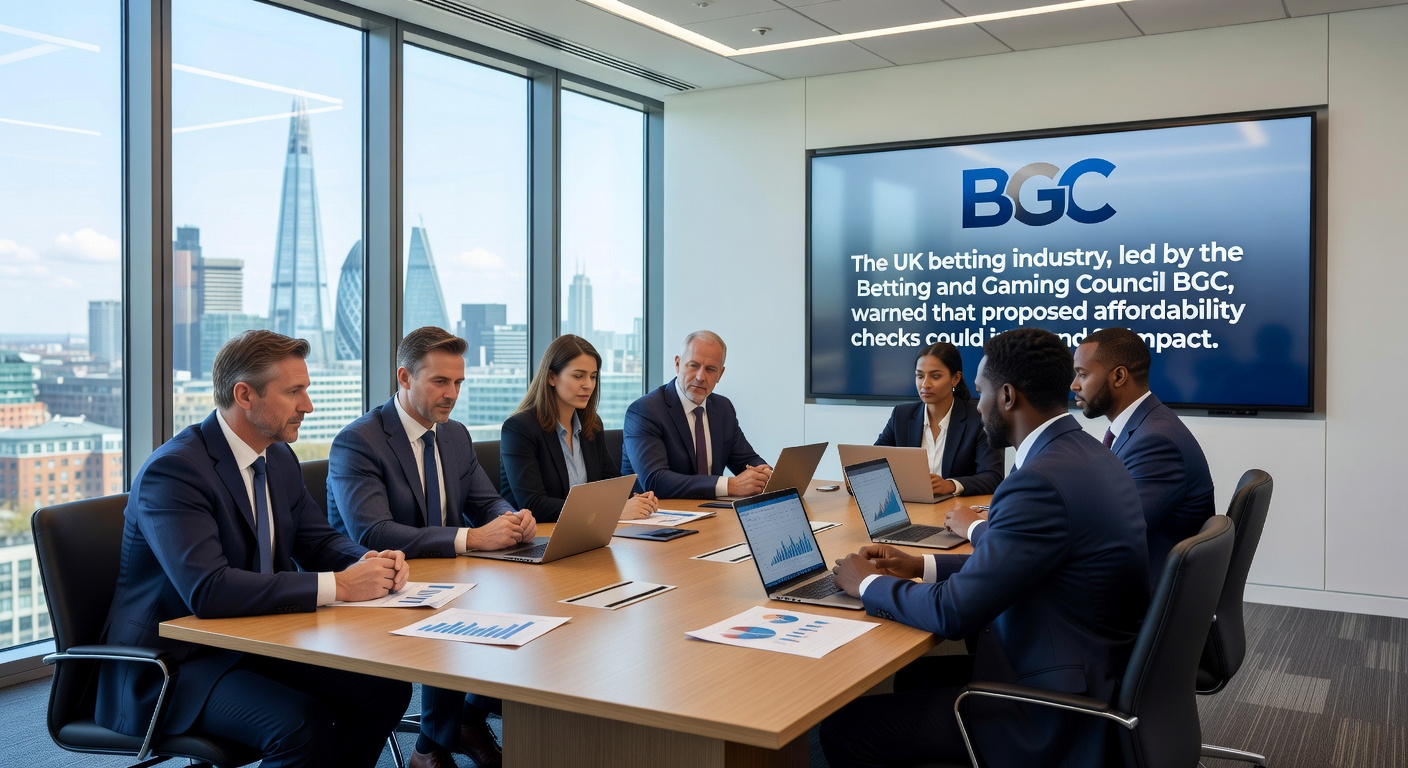
Campaigners in the United Kingdom have drawn attention to potential risks associated with cross-promotion during the tournament period. Matt Zarb-Cousin and other reform advocates have noted that operators may direct bettors toward casino-style products that carry higher addiction potential, particularly when football markets dominate advertising space. These concerns arise because integrated platforms often bundle sports betting interfaces with slots and table games, creating pathways that some users follow after initial football wagers.
In response, the Betting and Gaming Council has emphasized existing UK safeguards, including age verification requirements, deposit limits, and self-exclusion tools that remain active regardless of promotional volume. Council statements highlight that operators licensed in Great Britain must adhere to strict advertising codes and that responsible gambling messaging accompanies major event campaigns. Data from prior tournaments indicates that these measures have maintained consistent uptake among users who choose to set personal boundaries.
Both perspectives operate within the same regulatory environment, where operators must balance commercial activity with compliance obligations. The upcoming 2026 schedule provides a test case for how these frameworks function when global attention peaks over an extended period.
Market Dynamics and Operator Strategies
Operators preparing for the event have adjusted product offerings to accommodate the longer fixture list and broader team participation. Enhanced in-play markets, cash-out options, and tournament-specific specials appear more frequently in advance marketing materials, reflecting the expectation of higher engagement. Those who track operator behavior note that promotional calendars now include staggered bonus structures designed to retain users across multiple matchdays rather than concentrating activity around single high-profile games.
Cross-border data flows also influence strategy, since bettors in one jurisdiction may follow markets on matches hosted in another. This interconnectedness supports the overall volume projection and explains why the $50 billion figure exceeds earlier benchmarks by such a wide margin.
Conclusion
The combination of tournament expansion, favorable scheduling, and regional market growth underpins the $50 billion projection for global wagers during the 2026 FIFA Men's World Cup. UK stakeholders continue to monitor promotional practices while maintaining established consumer protections, and operators adapt offerings to meet anticipated demand. As June 2026 approaches, these elements converge to shape a distinct betting landscape compared with previous editions of the competition.