Evoke Plc Enters Takeover Talks with Bally’s Intralot as Debts Mount and UK Taxes Rise
Evoke Plc Enters Takeover Talks with Bally’s Intralot as Debts Mount and UK Taxes Rise

Evoke Plc, the FTSE 250-listed company behind major UK betting brands William Hill and 888, has confirmed it's holding discussions with Bally’s Intralot over a potential takeover, an indicative offer of 50p per share that puts the firm's value at £225.3 million; this development comes hot on the heels of a strategic review triggered by hefty financial pressures, including £1.8 billion in debts, while UK Chancellor Rachel Reeves' recent tax hikes on remote gaming and online sports betting add even more weight to the situation.
What's interesting here is how these talks surfaced right as the betting sector grapples with regulatory shifts set to hit hard from April 2026, when the remote gaming duty climbs to 40% and a fresh 25% duty on online sports betting kicks in from 2027; observers note that such moves, announced through HM Treasury, are reshaping operator strategies across the board, pushing firms like Evoke toward consolidation or sale.
The Offer Breakdown and Strategic Context
Bally’s Intralot, a Greek-based lottery and gaming outfit formed through a partnership between Intralot and US giant Bally’s Corporation, stepped forward with this preliminary bid, valuing Evoke at a modest £225.3 million based on the 50p per share figure; Evoke, which rebranded from 888 Holdings after snapping up William Hill in 2022, disclosed the approach in a regulatory filing, emphasizing that no final decision has been reached although the discussions remain ongoing.
Take one look at Evoke's recent trajectory: the company launched its strategic review earlier this year amid slumping revenues and ballooning costs, a review that now appears to have opened the door to this suitor; data from company reports shows net gaming revenue dipping in recent quarters, compounded by competitive online markets where players chase better odds and promotions, yet it's the debt pile-up that truly steals the spotlight at £1.8 billion.
And here's where it gets interesting: Bally’s Intralot isn't just any bidder; this joint venture blends Intralot's European lottery expertise—rooted in tech-driven gaming solutions—with Bally’s Corporation's US casino and sports betting footprint, a combo that could signal broader ambitions in the transatlantic gambling space; those who've tracked similar deals point out how such mergers often aim to pool resources against rising compliance costs, especially as tax regimes tighten across borders.
Financial Headwinds Driving the Deal Talks
Evoke's £1.8 billion debt load stems largely from the £2.2 billion William Hill acquisition back in 2022, a move that bolstered its retail and online presence but saddled the balance sheet with leverage ratios well above industry norms; figures reveal interest payments eating into profits, while operational tweaks—like store closures and digital pivots—haven't fully stemmed the tide, leaving shareholders eyeing exit routes.
But here's the thing piling on the pressure: Chancellor Reeves' budget measures target the remote gaming duty, hiking it from 21% to 40% starting April 2026, a change that hits online slots and casino play square on, whereas the new 25% online sports betting duty from 2027 zeroes in on gross profits from digital wagers; experts who've crunched the numbers estimate this could shave millions off operator margins annually, prompting a wave of M&A activity as smaller players seek scale or salvation.
One study from the European Gaming and Betting Association highlights how such fiscal shifts in the UK mirror trends elsewhere in Europe, where duties have climbed steadily since 2020, forcing firms to consolidate or relocate operations; for Evoke, with its heavy UK footprint—over 2,000 William Hill shops and a dominant online slot in the market—these taxes represent an existential squeeze, making a buyout look like a pragmatic play.
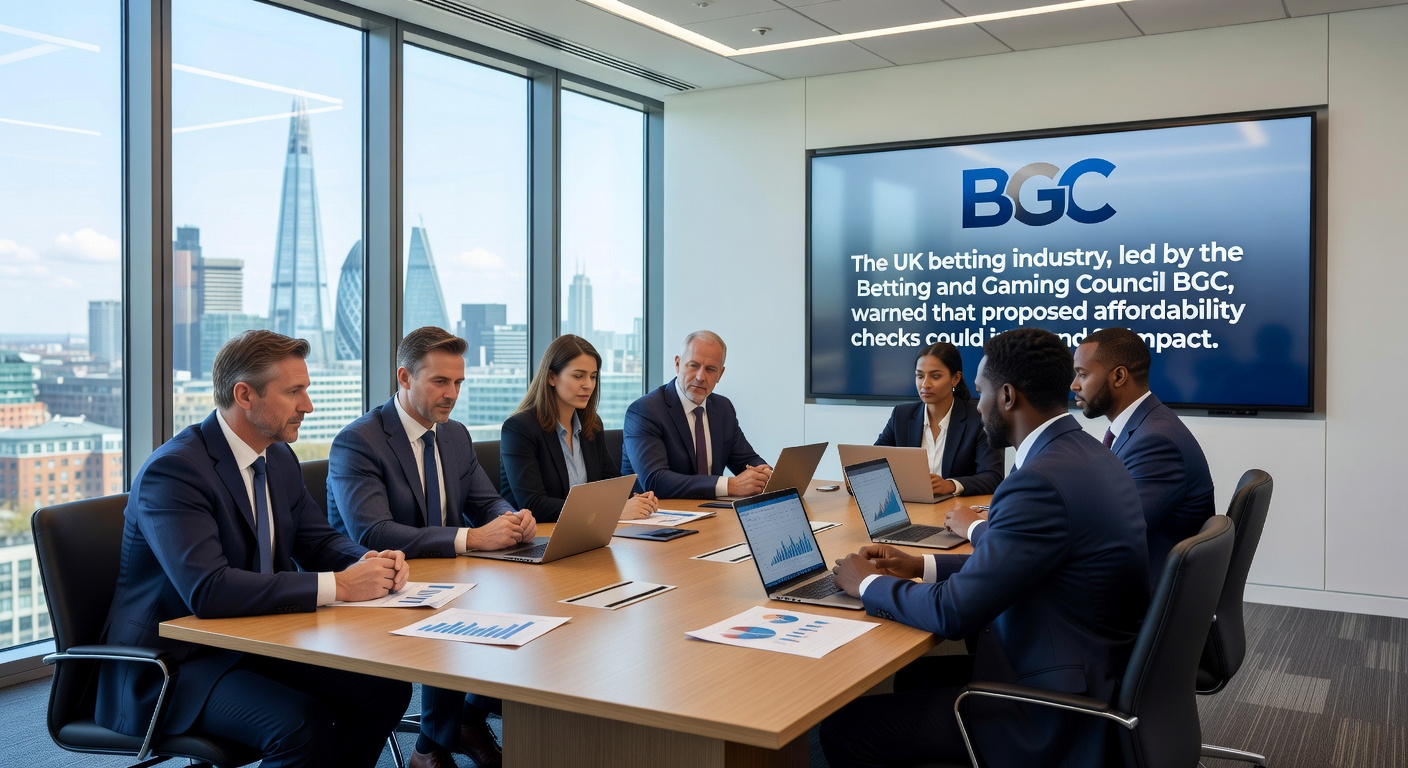
Turns out, April 2026 marks a pivotal moment not just for taxes but for the broader sector, as punters adjust to pricier odds baked into platforms, while operators like Evoke scramble to offset hits through efficiencies or partnerships; people who've followed FTSE 250 movers know that share prices often twitch on takeover whispers, although Evoke's stock reaction to this news remains under wraps pending further disclosure.
Who Is Bally’s Intralot and What Do They Bring?
Formed as a strategic alliance, Bally’s Intralot leverages Intralot's decades-long dominance in lottery systems—serving over 50 countries with tech for draws and instant wins—alongside Bally’s Corporation's 15 US casinos and growing iGaming arm; the Greek firm's lottery concessions in markets like Italy and the Philippines provide steady revenue streams, contrasting Evoke's volatile sports and casino bets, so this pairing could diversify risk while tapping William Hill's loyal UK customer base.
Observers note Bally’s Corporation's aggressive expansion, including a £150 million UK casino bid in recent years and partnerships in emerging markets, positioning the Intralot JV as a bridge for continental growth; there's this case where Bally’s snapped up a stake in a Brazilian operator last year, signaling comfort with high-debt turnarounds, much like Evoke's profile today.
Yet the ball's in Bally’s Intralot's court now, as UK takeover rules demand they either firm up the offer with firm commitments or walk away by 5pm on May 18, 2026; that's a tight 30-day window from the announcement, standard under the City Code on Takeovers and Mergers, during which Evoke must keep shareholders informed of any rival bids or progress.
Timeline and Regulatory Roadmap Ahead
The clock started ticking with Evoke's confirmation, aligning with Phase 1 of UK takeover protocols where possible offerors get 28 days to declare intentions; by May 18, Bally’s Intralot must commit to a binding scheme or pull back, potentially opening the floodgates for other suitors like private equity outfits eyeing distressed assets in gaming.
Should talks advance, expect due diligence on Evoke's debt restructuring—ongoing lender negotiations that could sweeten the deal—and integration plans for William Hill's shops amid Labour's affordability checks; data indicates over 100 betting firms have shuttered outlets since 2024, a trend that tax hikes will accelerate come April 2026.
So now, as markets digest the news in early 2026, all eyes turn to boardroom maneuvers, where Evoke's directors weigh shareholder value against standalone survival; it's noteworthy that indicative offers like this 50p per share—below recent trading levels in some sessions—often spark negotiations for premiums, although debt overhang tempers expectations.
Broader Sector Ripples from the News
This isn't happening in a vacuum; the UK betting landscape, valued at £15 billion in gross gaming yield last year, faces a perfect storm of taxes, activism, and tech disruption, with firms like Evoke at the forefront; researchers who've modeled scenarios predict up to 20% of operators could merge or exit by 2028 if duties stick, turning FTSE 250 names into takeover targets.
Take Entain or Flutter as parallels: both navigated debt via asset sales or spins, yet Evoke's retail-heavy model clashes with online duty shifts, making a foreign buyer's scale appealing; and while Bally’s Intralot eyes UK entry, their lottery chops could repurpose William Hill's estate for hybrid gaming lounges, a pivot gaining traction in regulated markets.
People often find that such stories highlight the sector's resilience, bouncing back from past scandals through compliance investments, although today's fiscal squeeze tests that mettle; it's not rocket science—consolidation clears the weak, paving roads for survivors to invest in AI odds tools and player retention amid April 2026's changes.
Conclusion
Evoke Plc's takeover dance with Bally’s Intralot underscores the raw economics of UK betting in 2026, where £1.8 billion debts collide with 40% remote duties from April and 25% sports levies looming; at £225.3 million for a 50p share, the indicative bid offers a lifeline, but the May 18 deadline sharpens the stakes as Bally’s Intralot decides to press on or step aside.
Those who've studied these cycles know outcomes hinge on lender consents, rival interest, and tax workaround creativity, yet the writing's on the wall for pressured players—adapt through deals or face the squeeze; as the sector evolves, this saga captures the push-pull of growth ambitions against regulatory realities, setting the stage for what's next in Britain's high-stakes gaming world.