Cross-Venue Data Integration for Layered Selections Across Ball, Hoof, and Racket Events

Venue data streams from stadiums, racetracks, and courts continue to feed layered selection models that combine live metrics from ball sports, equine competitions, and racket events, while operators refine these flows to support multi-event strategies through 2026. Research from industry reports shows that synchronized inputs such as player positioning, surface conditions, and pace indicators allow systems to layer selections that draw on simultaneous data points rather than isolated events.
Core Components of Venue Data Streams
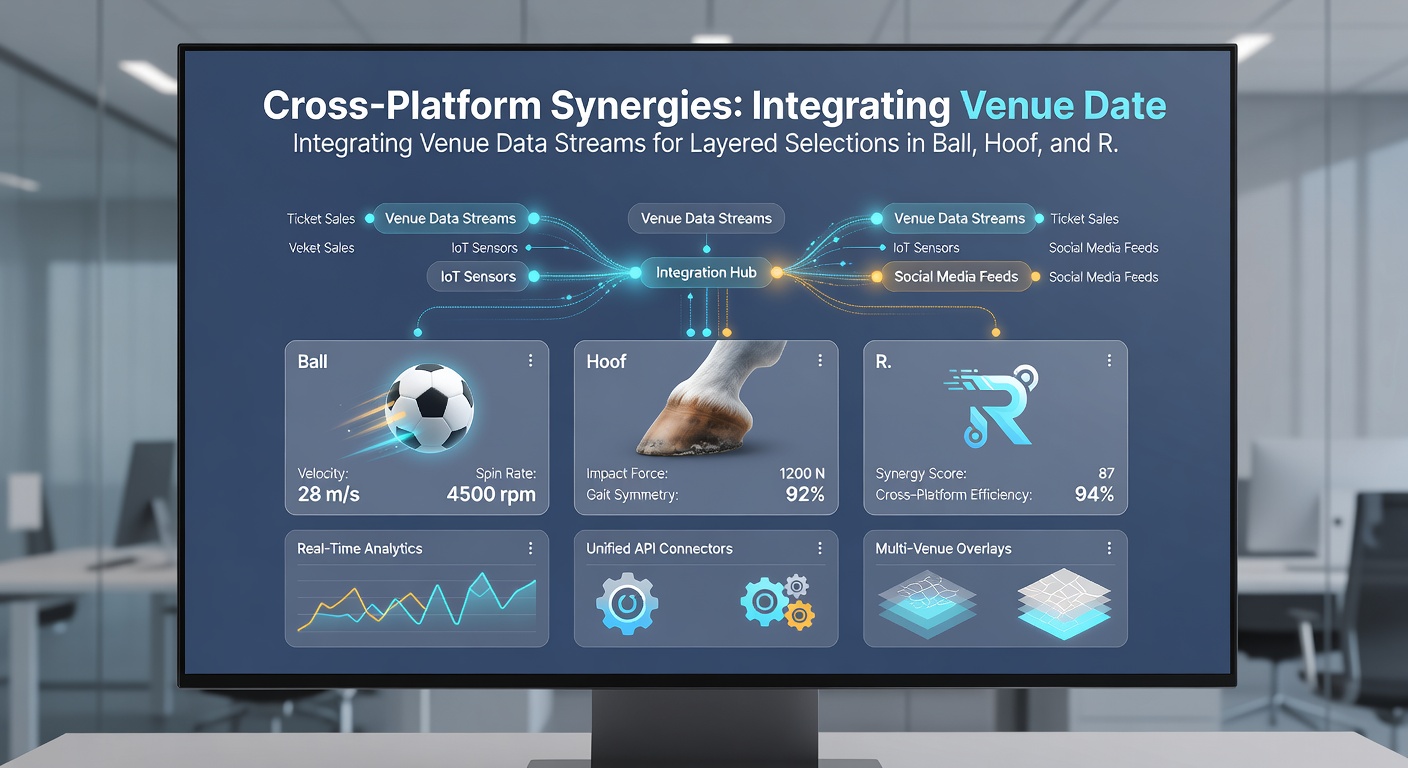
Ball event venues generate high-volume feeds that include ball trajectory, player movement, and crowd density metrics, whereas hoof sports contribute gate timing, stride analysis, and track surface readings, and racket venues supply rally length, serve speed, and court temperature data. These streams merge at central processing hubs where algorithms align timestamps across different sports to create layered outputs that reflect concurrent conditions at multiple locations. Data indicates that such alignment reduces latency in selection updates during overlapping fixtures, particularly when June schedules feature dense mid-week programs across European and North American circuits.
Integration Methods in Practice
Operators apply fusion protocols that normalize units from disparate sensors before feeding them into selection engines, and this process incorporates weather overlays from trackside stations alongside humidity readings from indoor arenas. One study from Canadian gaming research centers found that integrated models improved selection consistency by aligning equine fatigue signals with tennis recovery intervals during parallel events. Systems also ingest historical venue benchmarks so that real-time deviations trigger adjustments in layered criteria, such as tightening thresholds when a soccer pitch shows unusual wear patterns that correlate with similar surface changes at nearby tennis facilities.
Case Examples from 2026 Schedules
During early June 2026 fixtures, data platforms tracked simultaneous Grand Slam qualifying matches and festival racing meetings by pulling positional data from both environments into unified dashboards, and analysts noted how serve velocity spikes aligned with late-race stride adjustments to refine accumulator parameters. Another instance involved North American soccer leagues where stadium sensor outputs merged with international track feeds, allowing selection layers to account for altitude effects that influenced both ball travel and equine performance on the same calendar day. These examples illustrate how venue-specific inputs scale across disciplines without requiring manual recalibration at each step.
Technical Challenges and Solutions
Bandwidth constraints at remote venues sometimes interrupt stream continuity, yet redundant satellite links and edge computing nodes maintain data integrity during peak overlap periods. Standards bodies such as the European Gaming and Betting Association have published guidelines that encourage uniform data formatting across ball, hoof, and racket sites, which in turn supports smoother layering of selections. Observers note that protocol updates scheduled for mid-2026 address timestamp synchronization issues that previously caused minor offsets when combining fast-paced racket metrics with slower equine pace readings.
Security protocols encrypt venue feeds at source to prevent tampering, while audit trails log every integration step for regulatory review. Research from Australian academic institutions highlights how encryption overhead remains manageable when compression algorithms prioritize essential variables such as velocity and positional data over secondary environmental readings.
Regulatory Context and Industry Standards
Government agencies in multiple jurisdictions require transparency in how venue data informs automated selection processes, and this includes disclosure of weighting factors applied to different sports streams. The National Council on Problem Gambling in the United States has examined data-handling practices that affect multi-sport products, emphasizing audit requirements that extend to cross-venue integrations. Compliance frameworks continue to evolve as more operators adopt layered models that span ball, hoof, and racket events within single sessions.
Conclusion
Venue data integration for layered selections across ball, hoof, and racket events relies on synchronized streams, normalized formatting, and secure transmission protocols that support concurrent processing. Figures from 2026 schedules show continued expansion of these systems as fixture density increases, while standards from international bodies guide consistent implementation across regions. The approach enables selection layers that respond to real-time conditions drawn from multiple venue types without isolating any single sport.