Coordinating Live Data Streams Across Soccer Tennis and Horse Racing for Multi Sport Wager Refinement
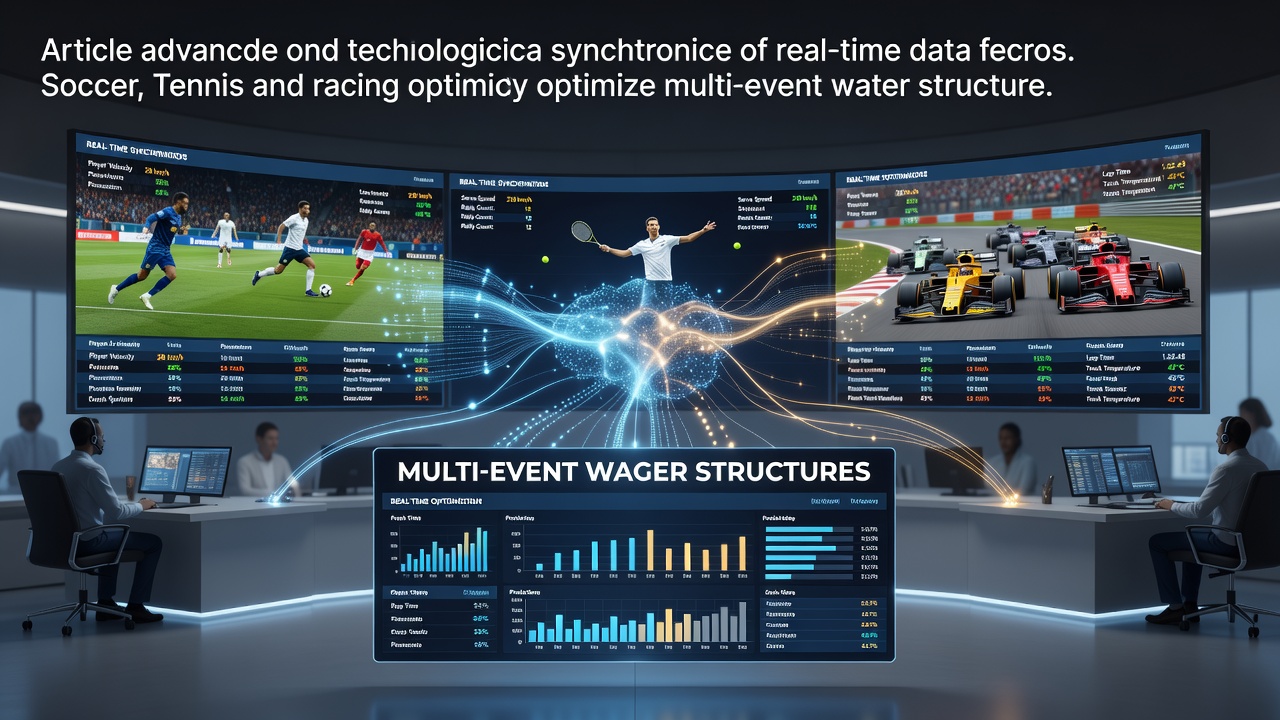
Operators and platforms have expanded their use of synchronized real-time data feeds from soccer tennis and racing events because these streams allow precise timing adjustments in multi-event wager structures that combine live updates across different sports. In July 2026 several major betting exchanges reported increased adoption of unified data pipelines that pull match statistics serve speeds and track conditions into single dashboards which then feed directly into accumulator and parlay calculators.
How Unified Feeds Operate Across Three Sports
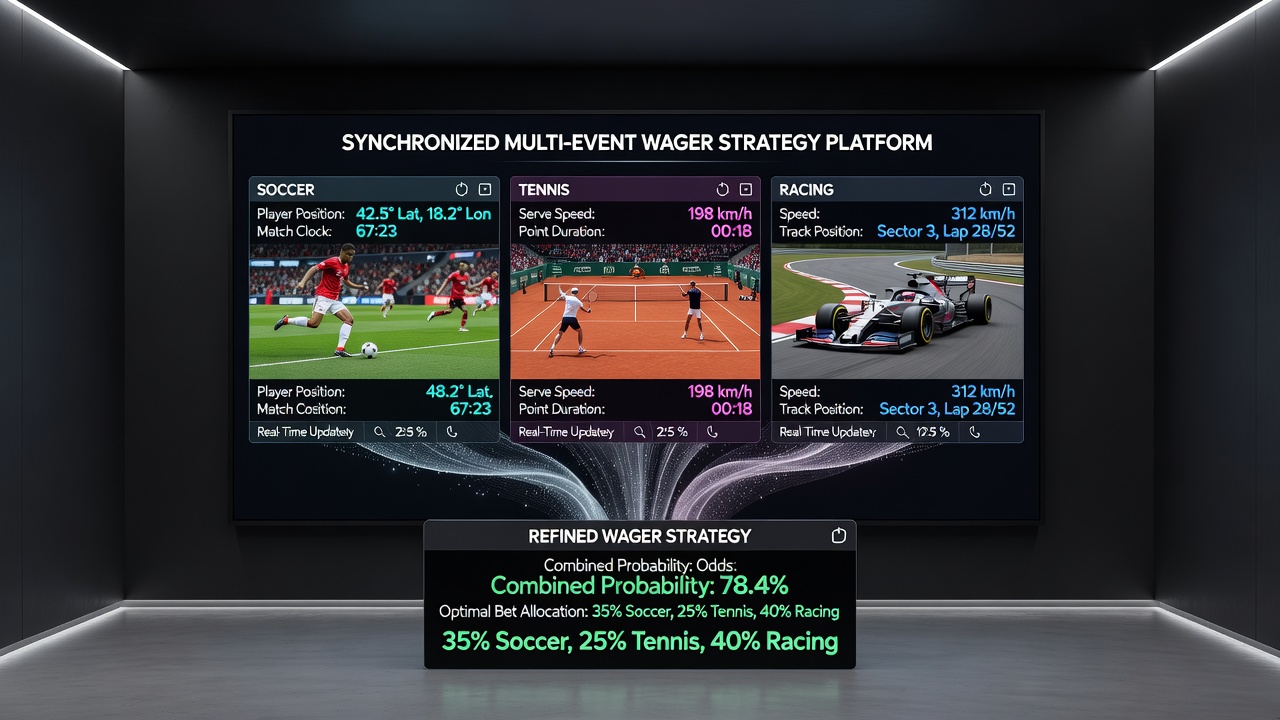
Modern synchronization begins with application programming interfaces that pull second-by-second information from official score providers stadium sensors and broadcast graphics systems. Soccer feeds deliver possession percentages shot locations and injury updates while tennis streams supply point-by-point breakdowns rally lengths and surface temperature readings. Racing platforms contribute gate times sectional splits and jockey positioning data all timestamped to a common clock so that a live soccer goal and a tennis tiebreak can trigger simultaneous odds recalculations within the same multi-leg bet.
Engineers route these inputs through message queues that normalize formats before pushing them into risk-management engines. The result appears in customer interfaces as dynamic stake suggestions or adjusted payout tables that reflect the latest developments in any of the three sports without requiring separate logins or manual refreshes.
Impact on Accumulator and Parlay Construction
Multi-event wagers gain stability when operators apply latency-matched data because a delay in one sport no longer creates mismatched pricing across legs. A punter constructing a three-leg bet that pairs a live soccer corner market with an in-play tennis game winner and a racing place market receives consistent odds because each leg updates against the same synchronized timeline. Industry reports note that such alignment reduces void rates and dispute volumes especially during overlapping European soccer matches and North American racing cards that occur in the same evening window.
Technical Components Driving the Process
- Centralized timestamp servers that align data packets from disparate venues to millisecond precision
- Redundant ingestion points that switch between primary and backup providers when one feed experiences packet loss
- Rule-based engines that apply sport-specific logic such as tennis tiebreak overrides or racing steward inquiry flags before propagating changes to bet slips
These components work together so that a sudden rain delay at a racing track can pause associated legs while soccer and tennis markets continue updating independently yet still remain part of the same overall structure. Observers note that the approach mirrors techniques already used in high-frequency trading platforms where cross-asset synchronization prevents arbitrage opportunities arising from timing gaps.
Regulatory and Infrastructure Considerations
Regulators in multiple jurisdictions have begun examining how synchronized feeds affect consumer protection standards particularly around transparency of odds changes. According to information released by the New Jersey Division of Gaming Enforcement operators must maintain audit logs that demonstrate fair propagation of live data across all supported sports. Similar requirements appear in guidelines from the Australian Gambling Research Centre which tracks how real-time integration influences responsible gambling tools such as bet-limit reminders triggered by live events.
Infrastructure investments have risen accordingly. Cloud providers now offer specialized sports-data regions with sub-50-millisecond round-trip times to major European and Australian venues allowing platforms to maintain consistent feed quality even when events span multiple continents. July 2026 saw several mid-sized operators announce partnerships with these providers specifically to support combined soccer tennis and racing products during the busy summer festival period.
Future Developments in Cross-Sport Synchronization
Research teams continue testing machine-learning models that predict correlation patterns between live metrics in different sports such as how a high-tempo tennis set might influence subsequent soccer goal probabilities when both appear in the same accumulator. Early deployments show modest improvements in pricing accuracy though full integration into customer-facing wager builders remains limited to select markets. Those who have examined the underlying datasets point out that the models require extensive historical alignment of timestamps before they can deliver reliable outputs across all three disciplines.
Hardware upgrades including edge-computing nodes placed near major stadiums and racecourses further reduce the time between event occurrence and odds reflection. This infrastructure supports teh growing volume of in-play multi-event bets that now account for an expanding share of total handle during overlapping competition windows.
Conclusion
Synchronized real-time data feeds have become a core operational requirement for platforms offering multi-event wagers that span soccer tennis and racing. The technical architecture relies on normalized timestamps redundant ingestion and sport-specific rule engines that together produce consistent pricing and reduced settlement disputes. Regulatory bodies in North America and Australia have issued guidance that emphasizes auditability and consumer transparency while infrastructure providers continue expanding low-latency coverage for global event calendars. As July 2026 data illustrates continued investment in these systems supports both operational efficiency and regulatory compliance across the expanding range of combined betting products.