Atmospheric Conditions Shaping Outcomes in Equestrian, Racket, and Ball Sports
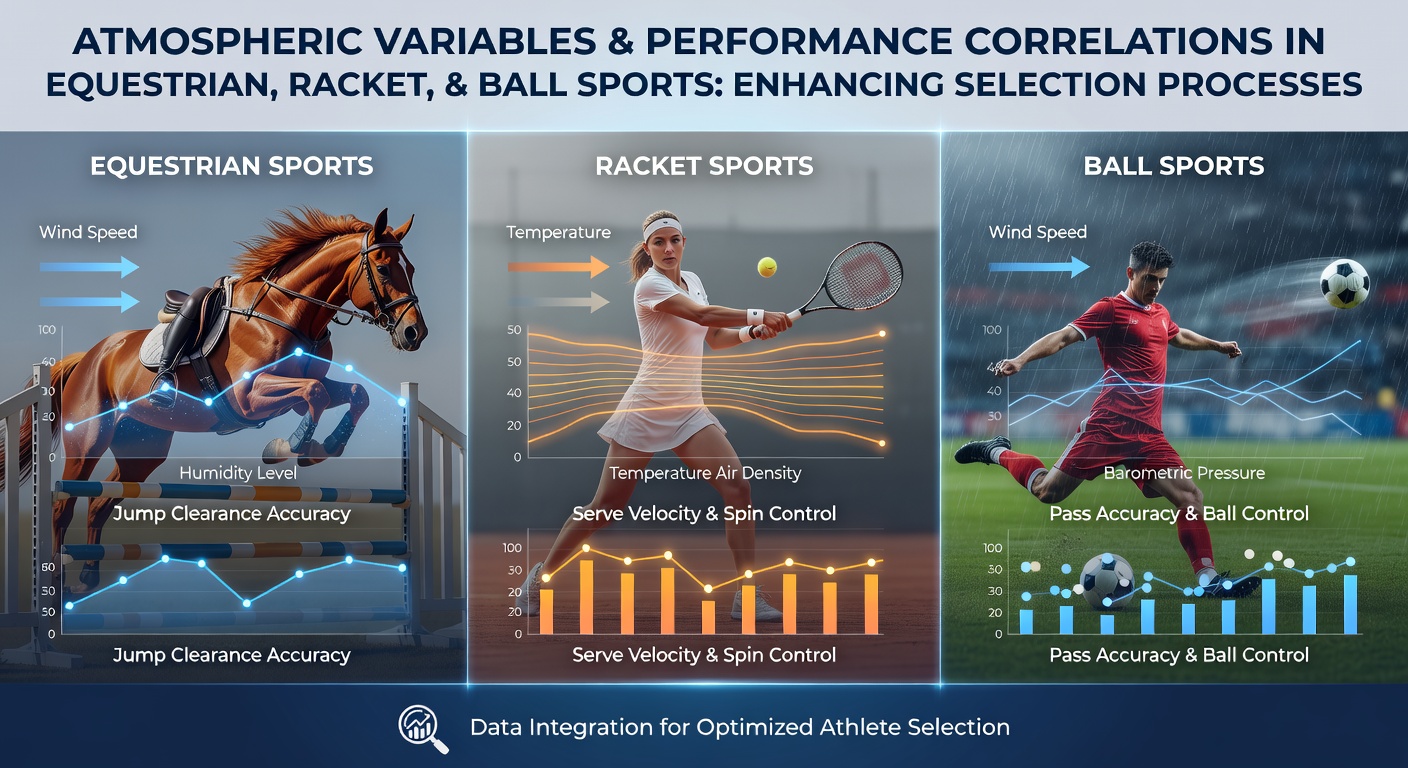
Atmospheric variables including wind speed, temperature, humidity, air pressure, and precipitation create measurable effects on athletic performance across multiple disciplines, and data from competitive events demonstrate consistent patterns that influence results in equestrian activities, racket sports, and ball games. Researchers track these elements because they alter equipment behavior, athlete physiology, and surface conditions in ways that shift expected probabilities during matches and races.
Key Atmospheric Variables and Measurement Standards
Wind velocity affects trajectory and balance, while temperature influences muscle function and equipment response. Humidity levels modify grip and ball aerodynamics, air pressure changes impact breathing efficiency at elevation, and precipitation alters surface friction. Organizations such as the National Oceanic and Atmospheric Administration compile records that link these factors to performance metrics, and studies published through academic channels show correlations that hold across seasons.
Selection processes benefit when analysts incorporate real-time readings from on-site sensors because historical datasets reveal thresholds where outcomes deviate from baseline expectations. For instance, sustained winds above 15 kilometers per hour frequently coincide with altered shot accuracy in outdoor racket events and modified stride patterns in equine competitions.
Effects Observed in Equestrian Disciplines
In equestrian events, wind exerts direct force on both rider and horse during jumping phases, and temperature swings influence equine cardiovascular load. Records from major circuits indicate that higher humidity correlates with reduced recovery times between rounds because it impairs evaporative cooling. Air pressure drops associated with approaching weather systems also appear in data sets tied to slower overall course times.
Event organizers in regions monitored by the Australian Bureau of Meteorology routinely log these variables alongside finishing positions, which allows pattern recognition in multi-day festivals. Observers note that crosswinds exceeding certain speeds prompt riders to adjust approaches earlier, producing shifts in fault rates that accumulate across large fields.
Patterns in Racket Sports Such as Tennis
Racket sports played outdoors experience pronounced changes when humidity rises because the ball absorbs moisture and travels shorter distances. Temperature increases expand string tension and alter bounce heights, while steady breezes push shots off intended lines. Longitudinal analyses from professional tournaments show that matches extending into evening hours under cooling conditions produce different point distributions compared with midday heat.
Coaches and analysts review archived weather logs alongside match statistics to identify when serve percentages drop or rally lengths extend. Data collected across multiple continents confirm that these atmospheric influences remain consistent enough to inform pre-event modeling for individual player matchups.
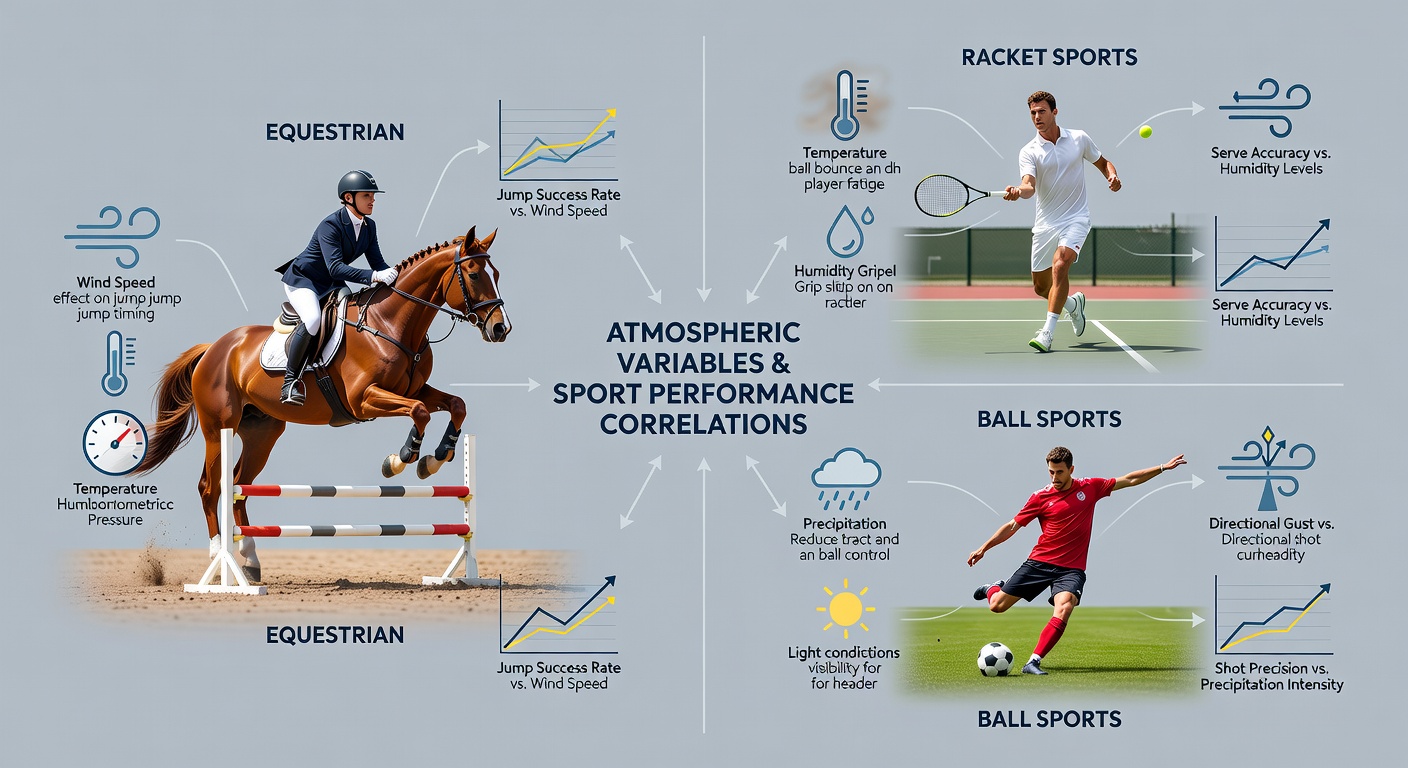
Impacts Recorded in Ball Sports Including Soccer
Ball sports such as soccer register changes in flight paths and roll distances when wind or rain intervene. Lower air pressure at higher altitudes reduces drag on the ball, allowing longer passes and shots that exceed typical ranges. Surface moisture from precipitation increases friction, which slows ground play and raises the frequency of turnovers in statistical summaries.
European sports science institutes have compiled multi-year comparisons that tie specific humidity thresholds to goalkeeper save percentages and midfielder passing accuracy. These findings align with observations from North American leagues where temperature gradients across stadiums produce micro-variations in ball behavior during evening fixtures.
Integration Into Selection Processes for 2026 Events
Enhanced selection frameworks combine atmospheric forecasts with performance databases to refine predictions for upcoming fixtures in May 2026 and beyond. Analysts cross-reference live readings against historical benchmarks, which produces narrower ranges for expected outcomes in equestrian finals, tennis sets, and soccer matches. Industry reports from research bodies indicate that such layered approaches reduce variance in modeled results when compared with selections based solely on form or rankings.
Teams monitoring these variables often adjust lineups or strategies hours before start times, and the resulting adjustments appear in post-event reviews as measurable improvements in alignment between forecasts and actual results. The approach extends across disciplines because the underlying physical principles remain similar even though equipment and surfaces differ.
Conclusion
Atmospheric variables establish reliable correlations with competitive outcomes in equestrian, racket, and ball sports through documented effects on physiology, equipment, and playing surfaces. Systematic incorporation of weather data into selection models continues to evolve as measurement technology improves and datasets expand, providing structured inputs for performance forecasting across international calendars.